How Dubai’s New Metro Expansion Is Reshaping Property Investment in 2026
Dubai has never been a city that waits for the future—it builds it. Every major infrastructure project has historically changed where people choose to live, work, and invest. From the launch of the Red Line to the development of Route 2020, improved connectivity has consistently increased demand for nearby communities.
Now, with the expansion of the Dubai Metro Blue Line and the announcement of the Gold Line, investors are once again asking the same question:
Which communities will benefit the most, and is now the right time to invest?
Recent transport plans are expected to improve connectivity across several emerging districts, while large-scale residential developments continue to attract local and international buyers. According to recent market updates, developers are already positioning projects around future transport corridors, anticipating increased demand.
Why Transport Infrastructure Matters for Real Estate
Infrastructure is one of the strongest long-term drivers of property appreciation. When new metro stations, roads, and public transport networks are introduced, they make communities more accessible and attractive to both residents and businesses.
Benefits typically include:
- Reduced commute times
- Higher rental demand
- Increased commercial activity
- Better lifestyle amenities
- Stronger long-term capital appreciation
Dubai’s previous metro expansions demonstrated how accessibility can influence buyer preferences, particularly in well-connected residential communities.
The Biggest Transport Projects Driving Dubai Real Estate
Dubai Metro Blue Line
The Blue Line is designed to connect several important residential and commercial districts, helping reduce congestion while opening new opportunities for property investors. Experts believe improved accessibility will encourage further residential development along the corridor.
Dubai Metro Gold Line
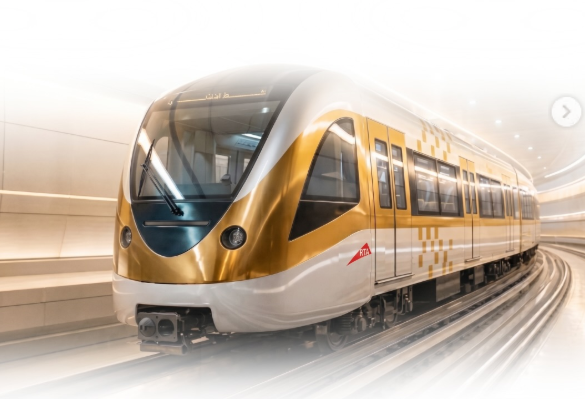
Announced in 2026, the Gold Line is planned as a 42-kilometre underground route connecting 18 stations and serving approximately 1.5 million residents. The project is expected to link more than 50 major real estate developments across Dubai, making it one of the city’s largest transport investments.
Communities That Could Benefit
Several locations are expected to attract increased investor attention as transport connectivity improves:
Dubai South
Dubai South continues to expand with new residential communities, retail destinations, and business hubs. Its proximity to Expo City and Al Maktoum International Airport strengthens its long-term investment appeal.
Expo City Dubai
Expo City is evolving into a mixed-use destination for business, innovation, and residential living. Improved transport connections could further support demand for nearby housing.
Jumeirah Village Circle (JVC)
Already popular among investors for attractive rental yields, JVC may benefit further from planned transport improvements and increasing accessibility.
Should Investors Buy Before Infrastructure Is Completed?
Historically, many investors aim to purchase property before major infrastructure projects are fully operational, hoping to benefit from rising demand as construction progresses. While future price growth is never guaranteed, transport improvements often make surrounding communities more desirable over time.
Before investing, buyers should consider:
- Developer reputation
- Community master plan
- Future transport connectivity
- Rental demand
- Long-term holding strategy
Final Thoughts
Dubai’s transport expansion is about more than reducing travel times—it is reshaping where people choose to live and invest. As new metro lines and infrastructure projects move forward, communities with stronger connectivity may continue to attract both end-users and investors.
Whether you’re considering an off-plan property or a completed home, understanding how infrastructure influences real estate can help you make more informed investment decisions.

Recent Posts
The Hidden Costs of Buying Property in Dubai: What Every Smart Buyer Should Know
Why Global Entrepreneurs Are Choosing Dubai to Build Long-Term Wealth Through Real Estate